Are you trying to decide whether to rent or buy in Clovis? You are not alone. Between small‑market dynamics and Cannon AFB timelines, the right move is not always obvious. In this guide, you will see how the Clovis market behaves, which costs to include in your math, and how PCS schedules and VA options can shift the answer. By the end, you will have a clear checklist and scenarios you can apply to your situation. Let’s dive in.
Clovis market at a glance
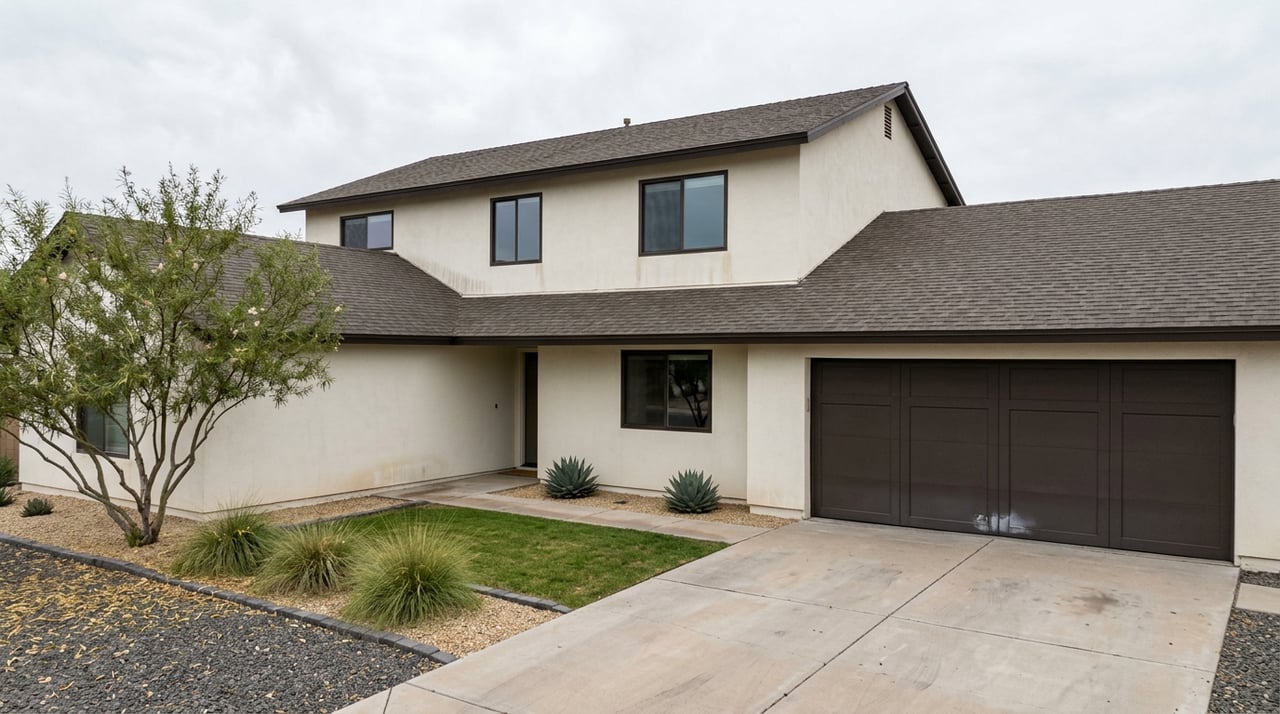
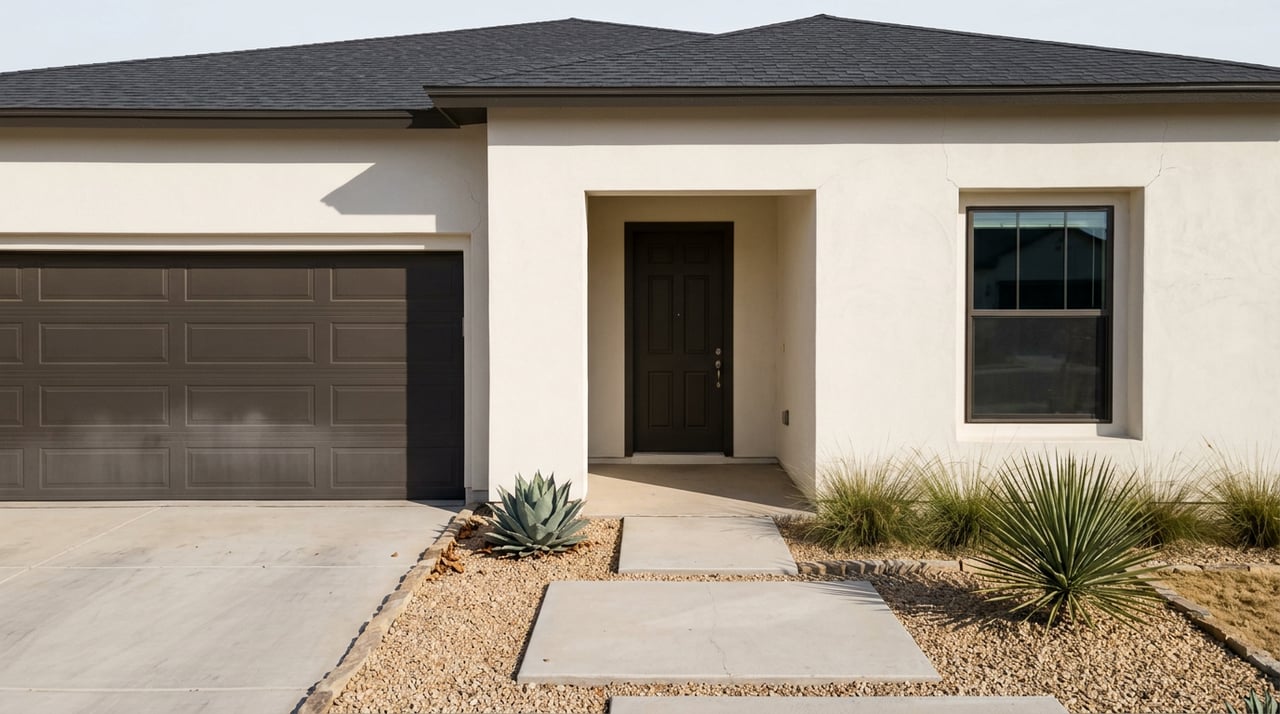
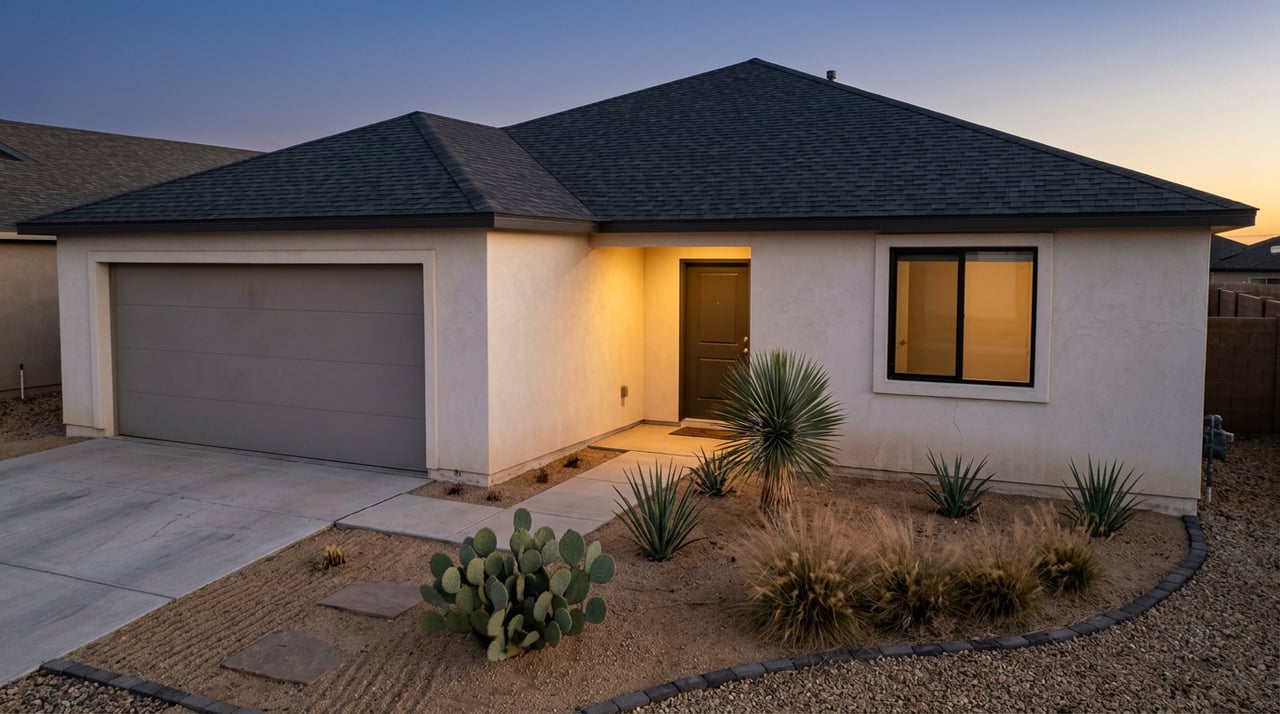
Clovis serves as the service hub for Curry County and much of eastern New Mexico. The housing market is smaller and less liquid than big metro areas, so a single large listing can move the needle on inventory. Typical homes include older mid‑century properties, modest single‑family homes, and some newer builds, with a limited supply of apartments.
Prices and rents have historically been lower than national metro averages. Appreciation tends to be slower and more cyclical than fast‑growth urban markets. Because the buyer pool is smaller, prices may hold steady through some shifts but can take longer to recover after downturns.
You should expect longer average days on market than high‑demand metros. In slow periods, resale may take several months. In tighter seasons, especially around PCS moves, timelines shorten. Utility costs matter in a climate with winter heating and summer AC. Property taxes in New Mexico are relatively low on average, though exact Curry County rates vary by taxing district and should be confirmed with the county assessor.
How to compare costs
A rent‑versus‑buy decision is more than a monthly payment comparison. Build your numbers with all the moving parts so you can trust the result.
Buying costs to include
- Purchase price and your down payment amount
- Mortgage rate and term to calculate principal and interest
- Property taxes prorated monthly
- Homeowner’s insurance prorated monthly
- HOA dues if applicable
- Maintenance and repairs. A common rule of thumb is 1% of the home’s value per year, more for older homes.
- Closing costs to buy, often 2% to 5% of the purchase price
- Opportunity cost on your down payment if that cash could be invested
- Future selling costs, typically 5% to 8% of the sale price
- Appreciation assumption. Model conservative to optimistic scenarios rather than one number.
- Tax effects. Factor the potential mortgage interest and property tax deductions and the primary residence capital gains exclusion if you meet ownership and use tests.
Renting costs to include
- Monthly rent
- Renter’s insurance
- Utilities not covered by the landlord
- Security deposit and any nonrefundable fees
- Early termination policies in case of PCS changes
- Opportunity cost of the savings versus owning costs
A simple comparison flow
- Compute monthly owner cost: principal and interest + property tax + insurance + HOA + maintenance budget.
- Compute monthly renter cost: rent + renter’s insurance + tenant utilities + fees.
- Compare over your expected stay: include upfront cash to buy versus deposit to rent, plus estimated net proceeds on sale after selling costs and remaining loan balance. Add any tax benefits if you qualify.
- Identify the breakeven horizon when the cumulative benefits of owning exceed renting.
Timeline matters most
Your expected length of stay is the single biggest driver.
Short‑term, 2 years or less
If you are likely here for under two years, renting often wins. Transaction costs going in and out of a home purchase can outweigh equity built in a short window, especially if appreciation is flat. There are exceptions, such as buying with a VA loan and then converting to a rental, but that adds landlord responsibilities and vacancy risk you should plan for.
Medium‑term, 3 to 5 years
In this range, buying can make sense if your carrying costs are close to rent and you assume modest appreciation or even flat prices. The breakeven is sensitive to selling costs and maintenance surprises. Run both conservative and optimistic scenarios so you are not relying on price gains to make the math work.
Long‑term, 7 to 10 years or more
Over longer horizons, buying generally becomes more favorable. Transaction costs get spread out, you pay down principal, and you are less exposed to short swings in a small market. This is the most common path to building equity in Clovis.
Military‑specific factors near Cannon AFB
Use your BAH in the analysis
Your Basic Allowance for Housing is a non‑taxable benefit that can cover a significant share of rent or ownership costs. Look up your current-year BAH for your rank and the base ZIP code and plug it into both scenarios. Remember that BAH changes when your assignment changes.
VA loan advantages
Qualifying buyers can purchase with no down payment using a VA loan, with no monthly PMI. That lowers upfront cash needs and can tilt the decision toward buying for some families. VA funding fees and occupancy rules apply, so speak with a local lender to confirm details for your situation.
Lease protections under SCRA
If you rent, the Servicemembers Civil Relief Act allows you to terminate a lease early when you receive qualifying PCS or deployment orders. This flexibility is a strong point in favor of renting when your timeline is uncertain.
If you receive new orders after buying
You have options: sell, rent the property, or transfer it to a family member. In Clovis, sale timelines can vary widely with condition and pricing. If you rent it out, plan for a property management fee in the 8% to 12% range, plus a vacancy buffer of 1 to 2 months per year. Know the landlord‑tenant rules in New Mexico and have a plan for maintenance when you are away.
Resale realities in eastern New Mexico
Small markets move differently than big cities. In Clovis and Curry County, days on market often range from several weeks to several months depending on price point, condition, and season. Overpricing can lead to extended time on market and price reductions.
Eastern New Mexico has historically seen lower average appreciation than high‑growth urban areas. Local drivers such as base staffing levels, agriculture, and energy activity matter. It is prudent to model flat to modest appreciation as a baseline when you run your numbers.
Plan for prep costs before listing. Staging, minor repairs, landscaping, and pre‑listing inspections can run from about $1,000 to $10,000 depending on the home. Also plan for possible concessions or repairs after buyer inspections, which can affect your net proceeds.
Seasonally, spring and summer often bring more buyers, including PCS arrivals. If you can align your sale with peak demand, you may shorten your timeline.
Quick worksheet you can use
Use this framework to plug in your real numbers:
- Expected stay: ____ years
- If buying: purchase price, down payment, interest rate, loan term
- Monthly owner cost: P&I + taxes + insurance + HOA + 1% annual maintenance budget
- Upfront to buy: down payment + 2% to 5% closing costs
- If renting: monthly rent + renter’s insurance + tenant utilities
- Upfront to rent: deposit + first month’s rent + fees
- At sale: sale price with 0% to 4% annual appreciation scenarios, minus 5% to 8% selling costs, minus remaining mortgage balance
- If converting to rental: add 8% to 12% management fee and 1 to 2 months vacancy per year
Calculate your breakeven horizon by comparing cumulative costs and benefits over 1, 3, 5, and 10 years.
Local decision checklist
Gather current local data before you decide:
- Current median sale price and rent in Clovis and Curry County
- Recent days on market and inventory levels
- Curry County property tax rates for your taxing district from the county assessor
- Today’s mortgage rate quotes and VA funding fee guidance from local lenders
- Your BAH for your rank and the Cannon AFB ZIP code
- Typical HOA dues if looking at planned communities
- Estimated repair costs based on home age and condition
- Local rental vacancy and average time to lease from property managers
- Typical commissions and seller closing costs
Ask yourself:
- How long do I expect to stay: less than 2 years, 2 to 5 years, or more than 5 years?
- Am I eligible for VA loan benefits?
- Do I value maximum flexibility or building equity more right now?
- Which neighborhoods fit my commute and daily life preferences?
- If I buy and then PCS, do I have a plan and local support to manage a rental?
Renting vs buying scenarios
Scenario 1: 2‑ to 3‑year tour with VA eligibility
You plan to be in Clovis for roughly 3 years. With a VA loan, your upfront cash can be low. If your monthly owner costs are close to market rent and you model flat appreciation, buying may pencil out if you meet the 2‑year ownership and use test and can sell in a typical timeframe. If you might need to leave earlier, compare that with renting and using SCRA flexibility.
Scenario 2: Uncertain 2‑year stay
You have a high chance of leaving in under 24 months. Renting usually makes more sense. You avoid closing costs on purchase and sale, and you keep options open if orders change. If you do buy, plan for the possibility that selling could take several months, and set aside cash for carrying costs during the listing period.
Scenario 3: 5‑year horizon with family stability goals
You expect to be here at least 5 years and want stability. Buying often becomes favorable in this range if your budget includes realistic maintenance and conservative appreciation assumptions. If you later PCS, you could convert to a rental, but include a management fee and vacancy buffer in your pro forma.
Next steps in Clovis
If you want a clear, local plan, bring your expected timeline, BAH, and a rough budget and we will help you run both paths side by side. As a full‑service brokerage and property manager, Sagebrush Real Estate can line up rentals, show purchase options, and map an exit strategy that fits your goals, whether you stay 18 months or 8 years.
Ready to talk through your numbers and options? Schedule a free consultation with Katharine Fly. We will help you compare renting and buying in Clovis, plan for PCS timelines, and move forward with confidence.
FAQs
What costs should I include when comparing renting and buying in Clovis?
- Include full monthly owner costs (mortgage principal and interest, property tax, insurance, HOA, and a 1% annual maintenance budget), upfront closing costs to buy, and future selling costs. For renting, include rent, renter’s insurance, utilities, deposits, and any fees.
How long do homes typically take to sell in Clovis and Curry County?
- In a small market like Clovis, timelines vary by price and condition, often from several weeks to several months. Slower periods can stretch to 60 to 120-plus days, while tighter seasons move faster.
Are property taxes high in Curry County compared with other states?
- New Mexico’s property tax burden is relatively low compared with many states, though rates vary by district. Check your specific rate with the Curry County assessor when budgeting.
How does BAH affect my decision near Cannon AFB?
- Your Basic Allowance for Housing can cover a large share of rent or ownership costs. Plug your current-year BAH into both scenarios to see which path meets your budget and timeline best.
What protections do I have if I rent and then receive PCS orders?
- Under the Servicemembers Civil Relief Act, you can terminate a residential lease early when you receive qualifying PCS or deployment orders, which adds flexibility to renting.
Can I rent out my Clovis home if I PCS unexpectedly?
- Yes. Many owners convert to rentals, but you should plan for a management fee in the 8% to 12% range, a vacancy buffer of 1 to 2 months per year, and routine maintenance and compliance with New Mexico landlord‑tenant law.