Trying to decide between a new build and a resale home in Clovis? You are not alone. Between Cannon AFB moves, limited lots, and a small-market inventory, the choice can feel high stakes. In this guide, you will learn how costs, timelines, financing, appraisals, inspections, warranties, and neighborhood trade-offs stack up in Curry County so you can move forward with confidence. Let’s dive in.
New vs resale in Clovis: the overview
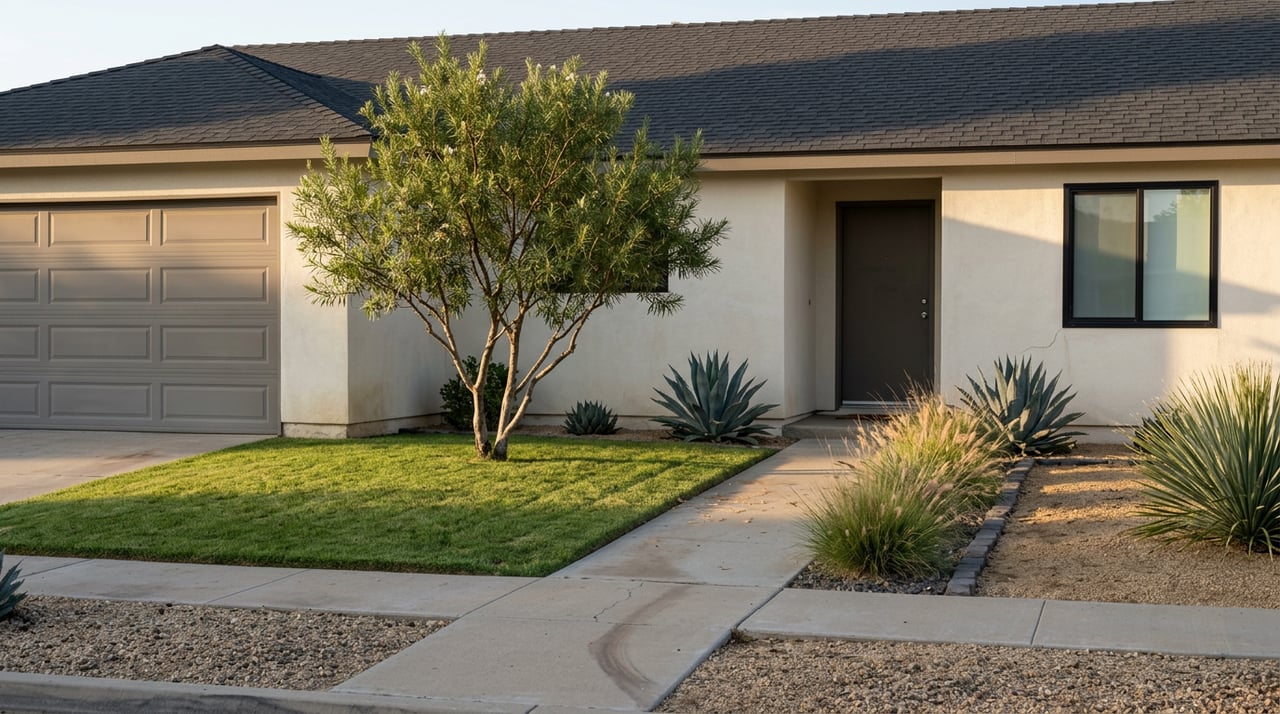
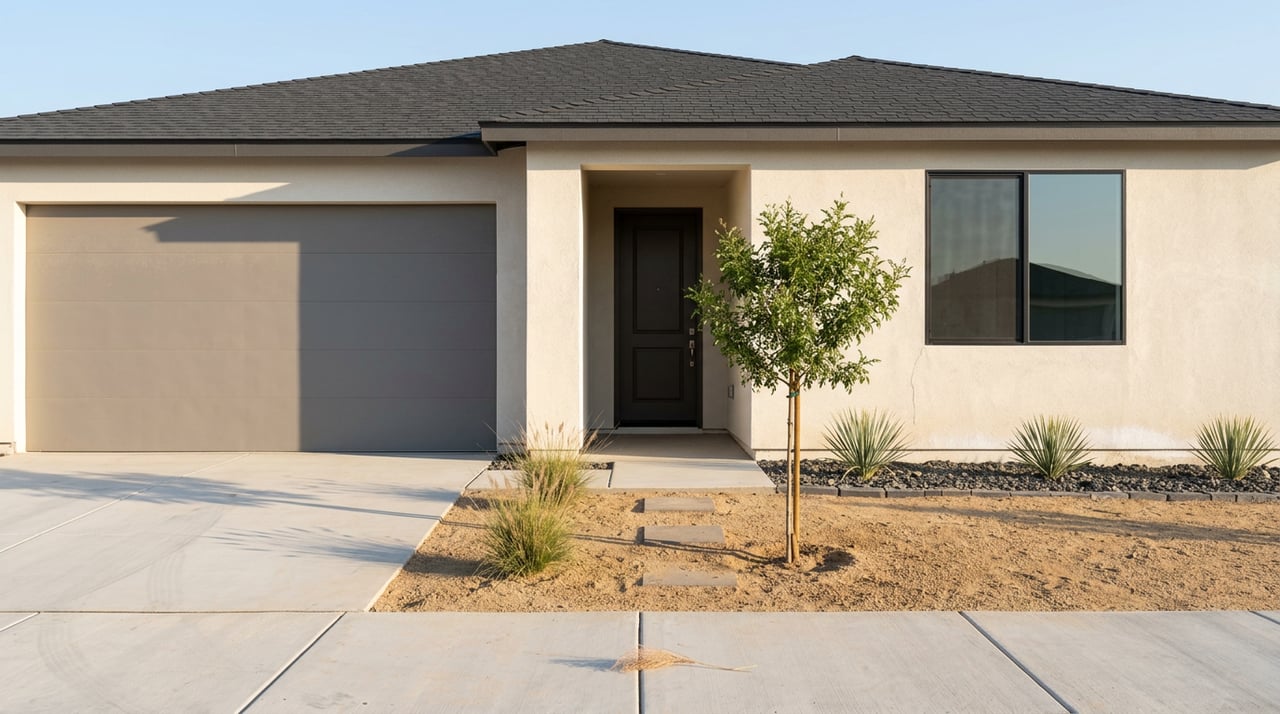
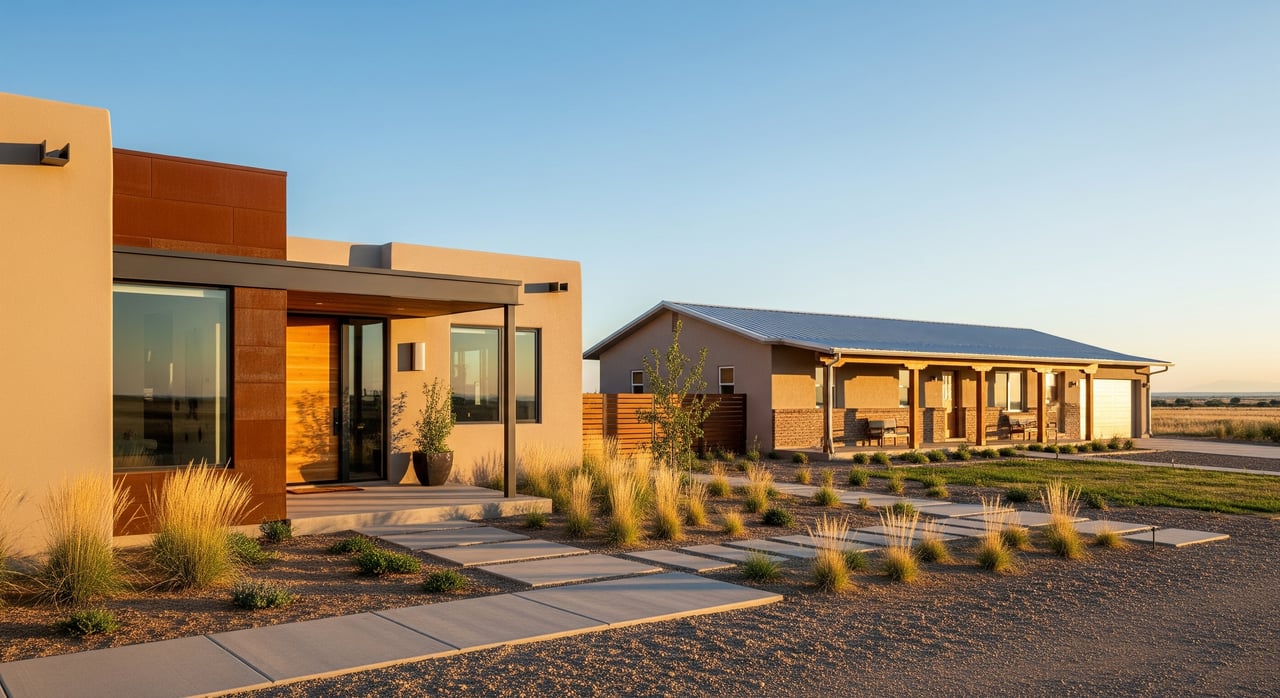
New construction in Clovis is often built by local or regional builders on the edge of town or on infill lots with city utilities. Finished lot supply can be tight, which can affect lot premiums and build timelines. Resale homes offer established neighborhoods and sometimes larger lots, but they can come with needed updates.
Because Clovis is a smaller market, there are fewer recent comparable sales at any given time. That can make pricing and appraisals less predictable, especially for new homes that carry a per-square-foot premium for modern layouts and energy features. Military transfers to Cannon AFB add steady demand and a higher share of VA financing, which shapes timing and lender expectations.
Cost breakdown: more than list price
Purchase price and $/sq ft
- New construction often shows a higher price per square foot than similar resales due to modern finishes and efficiency.
- Resales vary widely by age, condition, and lot size. Adjust comparisons for features like finished space and recent renovations.
Lot and site costs
- Lots near utilities, schools, and Cannon AFB usually carry premiums. Outlying parcels may need septic and well or city connection fees.
- Site work like grading, drainage, or rock removal can add meaningful costs on new builds. Verify these at the start.
Upgrades, allowances, and soft costs
- Builders typically price a base plan and sell finishes and structural options as upgrades. Popular choices like flooring, counters, and patios can add up fast.
- Some items come with allowances. If your selections exceed allowances, plan for overage costs.
- Budget a contingency for upgrades and unexpected items, and confirm survey, title, and lender fees up front.
Taxes, insurance, and utilities
- New homes get added to the tax roll based on assessed value. Expect changes once the home is complete.
- New systems and roofs can help insurance pricing, though rates vary by construction type and location.
- Modern codes, insulation, and HVAC often lower energy use in new builds compared with older homes, but results depend on builder specs.
Maintenance and near-term repairs
- New builds typically have minimal maintenance at first, plus punch-list and warranty coverage in year one.
- Resales may require near-term updates or replacements for items like roof, HVAC, or water heater. Budget accordingly.
Incentives and negotiations
- Builders sometimes offer incentives like closing costs, upgrades, or rate buydowns, often tied to preferred lenders or title.
- With resales, seller motivation and inventory shape how much room you have to negotiate.
Timelines and financing in Curry County
Expected timelines
- Resale closings commonly take 30 to 45 days with standard inspections, appraisal, and underwriting.
- New construction typically runs 3 to 9 months after breaking ground for a standard single-family home, depending on lot readiness, builder backlog, weather, and inspections. Custom projects can take longer.
Financing paths
- Resales commonly use conventional, FHA, VA, or USDA loans, with predictable timelines.
- New builds may use a construction loan or a construction-to-permanent single-close loan. These loans involve draw schedules, inspections, and sometimes interest reserves.
- VA construction loans are possible but come with extra requirements. Confirm lender experience and documentation early.
Appraisals in a small market
- Appraisers rely on recent closed sales, which can be limited in Clovis. A new home’s contract price might exceed nearby comps, creating appraisal gap risk.
- Common strategies include appraisal contingencies, negotiated appraisal gap clauses, and discussions with the builder about potential adjustments.
- VA appraisals must also confirm Minimum Property Requirements, which can add checks near completion.
Inspections and approvals
- Resales: expect a general home inspection, possible pest inspection, and specialty checks as needed.
- New builds: local building departments conduct inspections at rough-in, framing, and final stages. Many buyers also hire third-party inspectors at key milestones like pre-drywall and pre-final.
Warranties and inspections: what to expect
New home warranties
- Many builders follow a common structure: 1 year for general workmanship, 2 years for systems (mechanical, plumbing, electrical), and 10 years for major structural elements. Always review the exact terms.
- Some builders use third-party warranty companies. Get the documents before closing and learn the claims process.
Punch lists and documentation
- Before closing, you will do a final walkthrough and make a punch list of incomplete or defective items. The builder should address these per the contract.
- Document issues with photos and keep a record of communications for any future warranty claims.
Resale inspection expectations
- A home inspection will outline immediate and near-term repairs. Use age-based guidance for systems and consider negotiating repairs or credits for major items.
Neighborhood and lifestyle trade-offs
Location and commute
- New subdivisions often sit on the city fringe. If you want proximity to Cannon AFB, schools, downtown, or shopping, resale options may give you more choices closer in.
- Consider commute routes, road types, and seasonal conditions for daily reliability.
Parks, schools, and walkability
- Established neighborhoods can offer mature trees and existing parks or schools nearby. New areas may take time to develop landscaping and amenities.
- Use neutral, verifiable information when comparing areas, and confirm what matters most for your daily routine.
Lot size and privacy
- Resale homes sometimes offer larger lots and mature landscaping. New subdivisions often use smaller, efficient lots with standardized setbacks.
HOA rules and covenants
- Many new subdivisions include an HOA with design guidelines and fees. Review restrictions, fee schedules, and any developer-controlled periods.
- Resale properties may or may not have an HOA; confirm rules and costs early.
Resale value considerations
- Energy-efficient features and proximity to amenities can help long-term value. In areas with many new homes released in a short period, temporary supply can influence appreciation.
- Ask about future phases and nearby commercial plans that might affect neighborhood desirability.
Decision guide: which path fits you?
Choose new construction if you want
- Modern layout and finishes with lower immediate maintenance.
- Energy efficiency and new systems under warranty.
- The ability to personalize options and finishes.
- A timeline that can align with a planned move if you have flexibility.
Choose resale if you want
- A potentially lower entry price or larger lot for the same budget.
- An established neighborhood with mature trees and existing amenities.
- Faster move-in, often within 30 to 45 days, which can help with tight PCS or lease deadlines.
- More room to negotiate based on condition and market timing.
Action checklist for Clovis buyers
- Ask for a complete builder spec sheet and a written list of what the base price includes versus options.
- Get hard quotes for popular upgrades and set a contingency for over-allowance costs.
- Confirm utility hookup fees and whether the lot requires septic and well or municipal tie-in.
- Include an appraisal contingency or clearly define any appraisal gap coverage in your contract.
- Hire independent third-party inspections at pre-drywall and pre-final, even when city inspections occur.
- Review warranty documents before closing and note how to submit claims and expected response times.
- If you are military, line up timing with assignment schedules and ask about any builder incentives for service members.
Final thoughts and local support
Both paths can be smart in Clovis. New construction gives you a clean slate and warranty coverage. Resale can deliver location advantages and quicker closings. Because our market is smaller, appraisals, comps, and timelines deserve extra attention. A local guide can help you weigh the details and negotiate the right protections.
If you are weighing your options anywhere in Curry or Roosevelt counties, let’s talk through the numbers, timeline, and neighborhoods that fit your plan. Reach out to Katharine Fly to schedule a free consultation and get a clear path from offer to keys.
FAQs
What costs more in Clovis: new or resale?
- New builds often have higher purchase prices and potential lot or site costs, while resales can have lower upfront prices but may need near-term updates; total cost depends on the specific properties.
How long does a new build take in Curry County?
- Standard single-family builds commonly run 3 to 9 months from breaking ground, depending on lot readiness, builder backlog, inspections, and weather.
What is the typical resale closing timeline in Clovis?
- Most resale transactions close in about 30 to 45 days, driven by inspections, appraisal, and loan underwriting.
How big is the appraisal gap risk on new homes?
- In a small market with limited comps, a new home’s contract price can exceed recent sales; plan for appraisal contingencies or clear gap terms and coordinate with your lender and builder.
Are builder incentives common in Clovis?
- Incentives like closing costs, upgrades, or rate buydowns can appear depending on demand, inventory, and lender partnerships, especially when builders want to move completed homes.
What warranty coverage do new homes usually have?
- Many builders follow a 1-year workmanship, 2-year systems, and 10-year structural framework, but you should verify exact coverage and claims procedures before closing.